The Digital Illusion: Why Logistics Apps Cannot Cross Borders
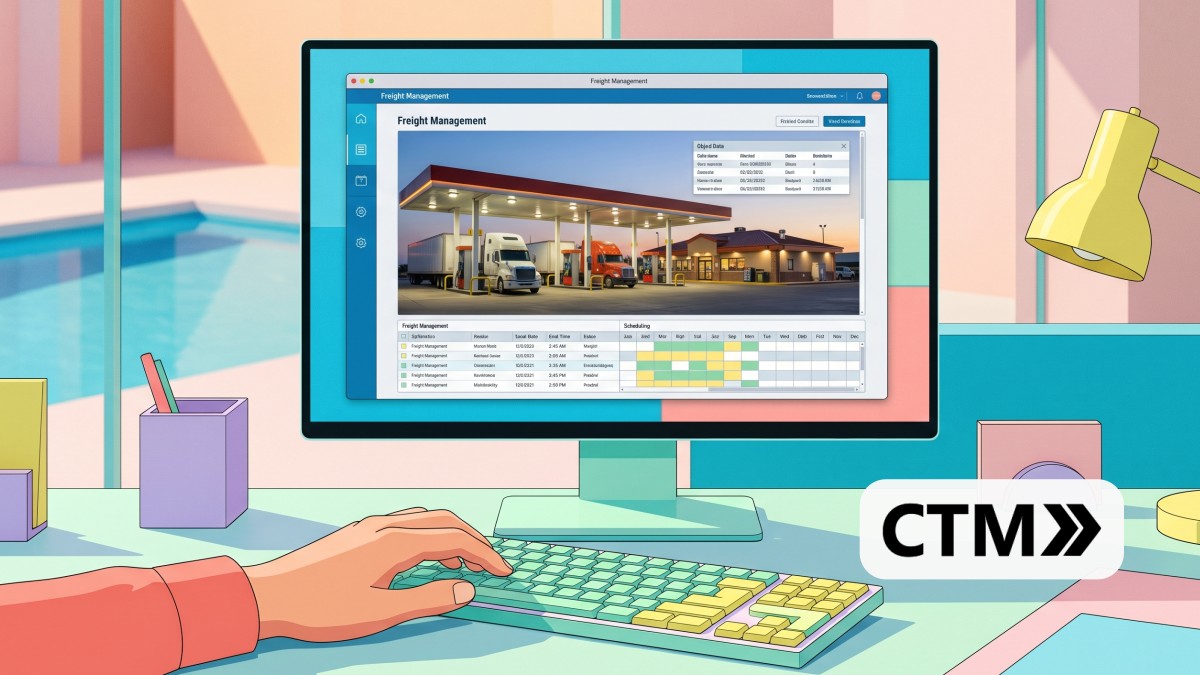
Over the last decade, the logistics industry has been flooded with digital freight brokerages promising the "Uberization" of the supply chain. They pitch slick dashboards, automated load matching, and beautiful user interfaces.
If you are moving a dry van full of paper towels from Ohio to Indiana, that "asset-light" digital model works fine.
But if you are moving high-value manufacturing components out of Sonora, Mexico, and across the U.S. border, relying solely on an app is a massive operational risk. The digital illusion shatters the moment your freight hits a real-world bottleneck, because an algorithm cannot clear customs, and a piece of software cannot force a truck driver to show up.
The Problem with "Asset-Light" Brokerages
When a logistics provider proudly markets themselves as "asset-light," what they are really saying is that they do not own any trucks, yards, or physical infrastructure. They are a software company acting as a middleman.
When you book a cross-border load on a digital platform, the app simply blasts that load out to a fragmented network of third-party drivers. If capacity tightens—like during a produce peak or a fuel spike—those third-party drivers will abandon your load for a higher-paying route. When your freight gets stranded south of the border, the digital broker's slick app can do nothing but send you an automated "delayed" email.
Cross-Border Freight is a Physical Environment
The U.S.-Mexico border is a high-friction, deeply physical environment. It requires navigating complex Carta Porte compliance, managing physical customs inspections, and dealing with unpredictable infrastructure challenges.
A beautiful dashboard means absolutely nothing if the third-party truck hauling your freight is stuck in a 10-hour idling line because the driver's paperwork was wrong. Software cannot physically cross the border; people and assets do.
The CTM Reality: Tech Backed by Iron
At CTM, we believe in top-tier visibility and technology, but we know that software must be backed by physical control. This is the foundation of our asset-based Hybrid Model.
We do not just send you a tracking link; we own the truck that the GPS is attached to. We do not hope a third-party driver finds a secure place to park in Mexico; we stage your freight in secure, monitored yards. When issues arise at the port of entry, we do not rely on automated chatbots; our own dispatchers and boots-on-the-ground personnel handle it in real-time.
A strong supply chain requires physical assets, regional expertise, and people who actually care about your freight. Stop trusting your high-value manufacturing loads to software companies.